Brain-Boosting Wearables: How Smart Devices Help Improve Your Mind in 2026
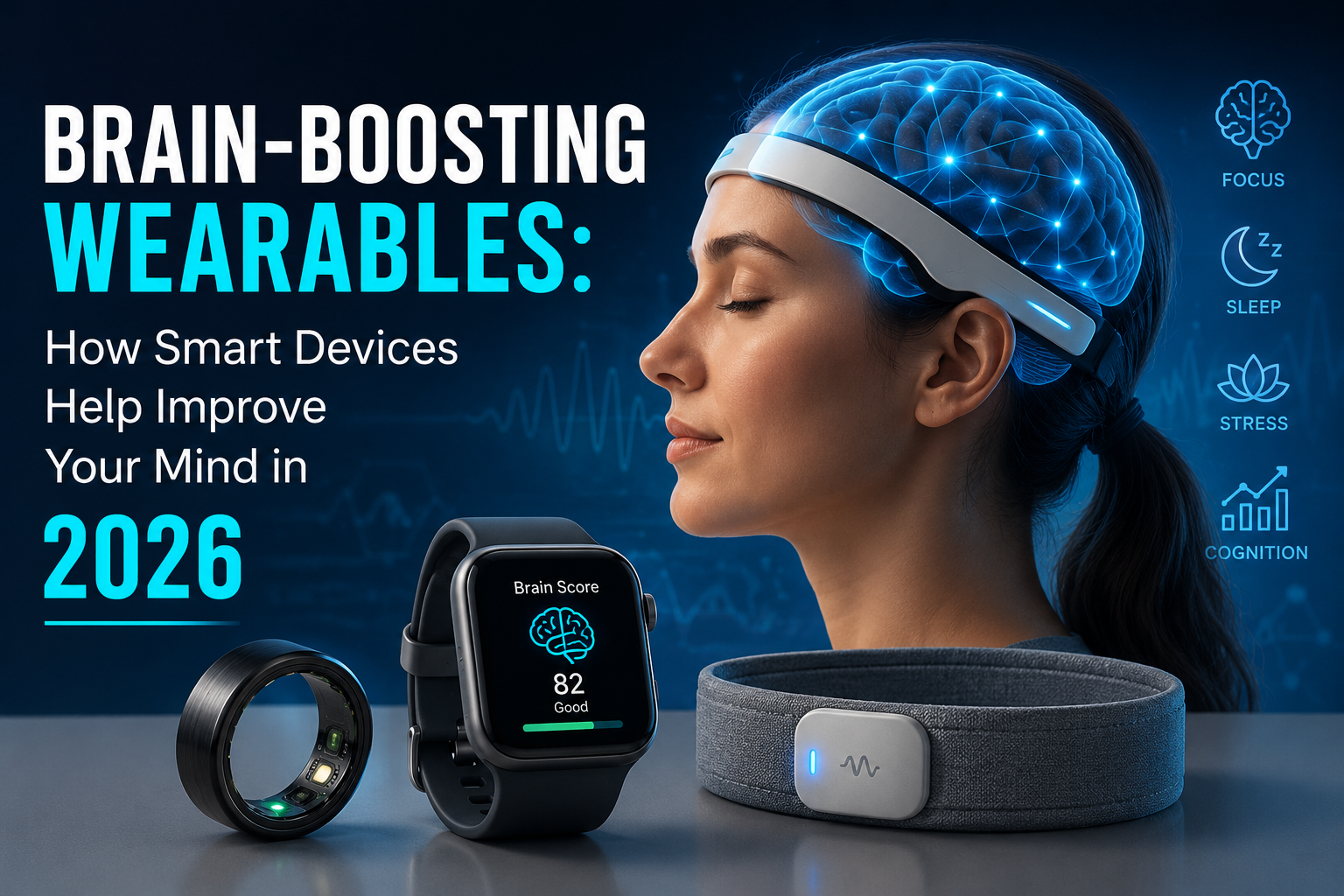
Your brain is your most valuable asset. It runs every decision you make. It shapes your mood, your memory, and your focus. So it makes sense that people now want to protect it and improve it, just like they protect their money.
This new idea has a name: “Brain Wealth.” It means treating your brain like a bank account. You invest in it. You track it. You grow it over time. And in 2026, a new wave of devices is making this easier than ever.
These devices are called brain optimization wearables. They include neurofeedback headbands and smart rings built just for the brain. They are no longer just for athletes or biohackers. They have become a premium lifestyle product for anyone who wants a clear mind and a strong memory.
In this post, we will look at what these devices do, why they matter, and what makes the 2026 generation so different from what came before.
What Are Brain Optimization Wearables?
Brain optimization wearables are small devices that track and train your brain. Some sit on your head like a soft band. Others sit on your finger like a ring. All of them collect data about your brain and body.
Most devices track things like
- Brain wave activity
- Heart rate variability
- Sleep quality
- Stress levels
- Focus and attention patterns
The device sends this data to an app. The app turns raw numbers into simple insights. It might tell you when your focus is high. It might tell you when you are mentally tired. Some apps even guide you through short brain training sessions.
This is different from old fitness trackers. Those devices watched your steps and your heart rate. Brain optimization wearables go deeper. They watch your mind.
Why “Brain Wealth” Is Trending Now
The idea of brain wealth did not appear by accident. A few things pushed it into the spotlight.
First, more people work with their minds, not their hands. Desk jobs need focus, memory, and mental stamina. When your brain gets tired, your work suffers. People want tools that protect this mental energy.
Second, screen time keeps rising. Long hours on phones and laptops can leave the mind foggy. People are looking for ways to fight this fog and stay sharp.
Third, wellness culture has shifted. A few years ago, people focused mostly on the body. Now they want balance. They care about sleep, stress, and mental clarity just as much as steps and workouts.
Together, these trends created strong demand for brain-first wearables. Search interest in terms like brain optimization wearables 2026 has grown fast this year, and it shows no sign of slowing down.
Neurofeedback Headbands: Training Your Brain Waves
Neurofeedback headbands are one of the most exciting tools in this space. They use small sensors called EEG sensors. These sensors sit against your scalp and read electrical activity in your brain.
Here is how it works in simple terms. Your brain makes different types of waves. Some waves show up when you are calm. Others show up when you are alert or stressed. The headband reads these waves in real time.
Then it gives you feedback. This might come as a sound, a light, or a visual on your phone screen. If your brain moves into a calm, focused state, the feedback becomes smooth and pleasant. If your mind wanders, the feedback changes to let you know.
Over time, your brain learns from this feedback. It is a bit like a mirror for your mind. The more you practice, the more control you gain over your own mental state.
People use these headbands for many goals. Some want better focus at work. Some want to fall asleep faster. Others use them to manage everyday stress. Athletes and students have used similar tools for years, but now everyday professionals are joining in.
The 2026 models are much easier to use than earlier versions. They are lighter. They connect faster to apps. Many now offer short daily sessions, sometimes just ten minutes long, so busy people can fit them into a normal day.
Smart Rings for the Brain: Small Device, Big Data
While headbands train the brain directly, smart rings take a different path. They track the body signals that shape brain health.
A smart ring sits on your finger, much like a piece of jewellery. Inside, it holds sensors that track your heart rate, body temperature, movement, and sleep stages. It does this quietly, all day and all night, without needing much effort from you.
This data matters more than people realize. Poor sleep hurts memory and focus the next day. High stress, shown through heart rate patterns, can quietly drain mental energy. By tracking these signals, a smart ring gives you a clear picture of what is helping or hurting your brain.
The newest smart rings in 2026 go further. Many now include a “mental readiness” score. This score blends sleep, stress, and recovery data into one simple number. A high score suggests your brain is ready for a demanding day. A low score suggests you may need rest or a lighter schedule.
Because rings are small and comfortable, people wear them all day without noticing them. This makes the data more accurate. It also makes long-term brain tracking realistic, not just a short experiment.
Why the Premium Segment Is Growing
Brain optimization wearables are not cheap. Many sit in the premium price range, well above basic fitness trackers. Yet this segment keeps growing. A few reasons explain why.
First, buyers see these devices as an investment, not a purchase. Just like a gym membership or a good mattress, people view brain tools as spending on long-term health.
Second, premium wearables often use better sensors. More accurate sensors mean better data. Better data means better insights. For a task as personal as brain health, many people are willing to pay for accuracy.
Third, design has become part of the appeal. Early neurofeedback tools looked bulky and clinical. Today’s headbands and rings look sleek. Some smart rings even come in metals like titanium or rose gold. This blend of health tech and style fits well into daily life, including work meetings and formal settings.
Finally, brands now offer strong apps and coaching support. A premium wearable often comes with guided programs, expert content, and personalized plans. This turns a simple device into a full brain health system.
How to Choose the Right Device
With so many options, picking the right wearable can feel confusing. Here are a few simple points to consider.
Start with your main goal. If you want to train focus and calm through direct feedback, a neurofeedback headband may fit best. If you want a full picture of sleep, stress, and daily readiness, a smart ring may serve you better.
Think about comfort next. A headband works well for short daily sessions. A ring works well for all-day, ongoing tracking. Choose the style that fits your routine.
Check the app quality. A wearable is only as good as its app. Look for clear charts, simple explanations, and helpful daily tips. Avoid apps that overwhelm you with confusing numbers.
Finally, consider your budget. Premium devices often offer better accuracy and design, but many solid mid-range options exist now, too. Set a budget that feels comfortable, and look for real user reviews before buying.
FAQs
1. What are brain optimization wearables?
They are small devices, like headbands or rings, that track brain activity or body signals linked to the brain. They help you understand focus, stress, and sleep, and some even train your brain through feedback.
2. Are neurofeedback headbands safe to use every day?
Yes, most neurofeedback headbands are safe for daily use. They only read brain activity. They do not send electricity or signals into your brain, so there is no real risk with normal use.
3. Can a smart ring really track brain health?
A smart ring cannot read brain waves directly. But it tracks sleep, stress, and heart rate. Since these all affect brain function, the ring gives a strong indirect picture of your mental readiness.
4. Do I need both a headband and a smart ring?
No, you do not need both. A headband is better if you want active brain training. A ring is better if you want passive, all-day tracking. Many people start with just one and add the other later.
5. Are these wearables worth the premium price?
For many users, yes. Premium models often use better sensors and offer stronger apps and coaching. If you plan to use the device daily and want accurate data, the higher price can be a fair trade-off.
Conclusion
Brain optimization wearables mark a shift in how people think about health. For years, fitness trackers helped us watch our bodies. Now, a new group of devices helps us watch our minds.
This shift fits neatly into the growing brain wealth movement. People no longer see mental clarity as something that just happens. They see it as something to build, protect, and grow, just like financial wealth.
As we move through 2026, expect these devices to become even smarter. Sensors will keep improving. Apps will offer sharper insights. And more people will treat their brain like their most valuable asset, one small wearable at a time.
If you are curious about starting your own brain wealth journey, a neurofeedback headband or a smart ring is a strong first step. Both offer a simple, real way to understand your mind and support it every single day.
Related reading
Smart Home Wellness 2026: Better Sleep, Focus & Health
The future of health isn’t in hospitals; it’s in your bedroom, your kitchen, and your living room. In 2026, smart home wellness tech has evolved from…
Best Smart Wellness Gadgets Under $500: Tested & Ranked (2026 Edition)
Wellness tech used to cost a fortune. In 2026, that is no longer true. You can now find smart wellness gadgets under $500 that track sleep,…