How to Train Like a World Cup Athlete: Fitness Lessons from the Pros

The 2026 FIFA World Cup just wrapped up across the US, Canada, and Mexico, and it put elite conditioning on full display. Behind every sprint and last-minute goal were months of periodized training, real-time data tracking, and recovery planning most gym-goers never think about.
If you read our post on AI training apps for athletes, you already know how algorithms personalize workouts using recovery and load data. World Cup teams use the same principle at the highest level, just with a bigger budget and a sports science staff behind it. Here’s what they actually do and what you can borrow from it.
What Makes World Cup-Level Fitness Different
Soccer fitness isn’t about running more. It’s about running, stopping, turning, bracing, jumping, landing, and recovering, all with enough control to do it safely and enough capacity to repeat it for 90-plus minutes. That combination of endurance, power, and control is what separates elite conditioning from simply being “in shape.”
Players cover roughly 10 to 13 kilometers per match, packed with repeated sprints and tackles, often with only three to four days to recover before the next one. That schedule is the reason tournament training looks so different from a normal club season.
How Pros Structure a Training Camp
World Cup preparation isn’t one long grind. It builds in phases. Early camp weeks focus on an aerobic base and general fitness. Later weeks shift into tactical integration and higher-intensity work, with full-sided games, game-speed pressing, and set-piece drills forming the core of sessions. The goal is to peak physically right as the tournament starts, not two weeks before it.
This is periodization in its purest form: build a base, layer in intensity, then taper. It’s the same principle behind any well-built training plan, just compressed into a shorter, higher-stakes window.
The Data Behind Elite Performance
Nothing in modern elite training happens on feel alone. GPS and heart rate monitors worn during both training and matches generate per-player load data, which sports scientists use to calibrate each athlete’s recovery needs individually.
That’s a meaningful shift from the old model. Instead of giving every player a generic rest day and a light session before the next match, teams now build precise, individualized recovery protocols based on real physiological data. Two players who played the same 90 minutes might get completely different recovery plans, because their bodies absorbed that load differently.
Recovery Science: The Real Difference Maker
Ask any sports scientist working a major tournament what separates good teams from great ones, and recovery comes up fast. Elite programs treat recovery as seriously as training itself, alongside strength work, consistent protein intake, hydration and electrolyte replacement, and quality sleep.
Strength training deserves a specific mention here. It’s easy to assume soccer fitness is all cardio, but strength training is treated as a core pillar of elite performance, not an afterthought to conditioning. Stronger muscles and connective tissue tolerate repeated sprinting and contact far better than endurance fitness alone.
Training in Extreme Conditions
The 2026 tournament added a layer most fans never saw: geography. Matches in Guadalajara and Mexico City took place at altitude, adding an extra physiological demand on top of match intensity. Heat was a factor too, with <cite name=”pmc”>host cities requiring evidence-based heat risk modelling to protect player health throughout the tournament.
Long-haul travel between host countries also meant managing jet lag mid-tournament. Behavioral strategies like strategic sleep timing, timed light exposure, and careful meal timing help players realign their circadian rhythms, and outdoor training sessions after travel can help reset the body clock faster.
Repeated-Sprint Training in Hypoxia
One of the more advanced tools in elite conditioning is repeated-sprint training in hypoxia, or RSH: short maximal sprints performed in a low-oxygen environment. This method has been shown to improve neuromuscular efficiency and fatigue resistance, even in highly trained youth players after just ten sessions.
You won’t find an altitude chamber at your local gym, but the underlying principle is useful: short, maximal-effort sprints with full recovery between them build a different kind of fitness than steady cardio does.
Injury Resilience Through Smart Squad Management
Depth matters as much as talent. Expanded tournament rosters have let coaches carry extra players at positions where a starter carries injury risk, which means well-managed squads now have higher effective injury resilience than in past tournaments. It’s a reminder that injury prevention isn’t just physical therapy. It’s planning so no single athlete is overloaded.
Fitness Lessons You Can Actually Use
You don’t need a national team budget to apply any of this:
- Train the full movement pattern, not just cardio. Sprinting, cutting, jumping, and landing under control build more durable fitness than running alone.
- Periodize your training. Build a base, add intensity, then taper before a goal event instead of going hard every week.
- Track your own load. A basic heart rate monitor or a training app can flag when you’re building fatigue faster than you’re recovering from it.
- Treat recovery as training. Sleep, protein, and hydration aren’t extras. They’re what let the training actually work.
- Add strength work. Even two sessions a week improves how your body tolerates repeated effort.
FAQ
1. Do I need GPS trackers to train like a pro?
No. A basic wearable or training app tracking heart rate and effort gives you most of the same insight at a fraction of the cost.
2. Is altitude or heat training necessary for amateur athletes?
Only if you’re competing in those conditions. For most people, the bigger wins come from consistent strength work and recovery habits.
3. What’s the single habit elite athletes prioritize most?
Recovery. Sleep, hydration, and nutrition consistently come up as the difference-makers between good and elite performance.
Conclusion
World Cup athletes don’t have a secret formula. They have a system. They build fitness in phases. They track effort with real data. They treat recovery as part of the job, not an afterthought. You can use the same approach; no sports science team is required. Start with a plan. Build gradually. Add strength work. Rest on purpose. Small, consistent habits win over time. That’s true on the world’s biggest stage. It’s true in your gym too.
Related reading
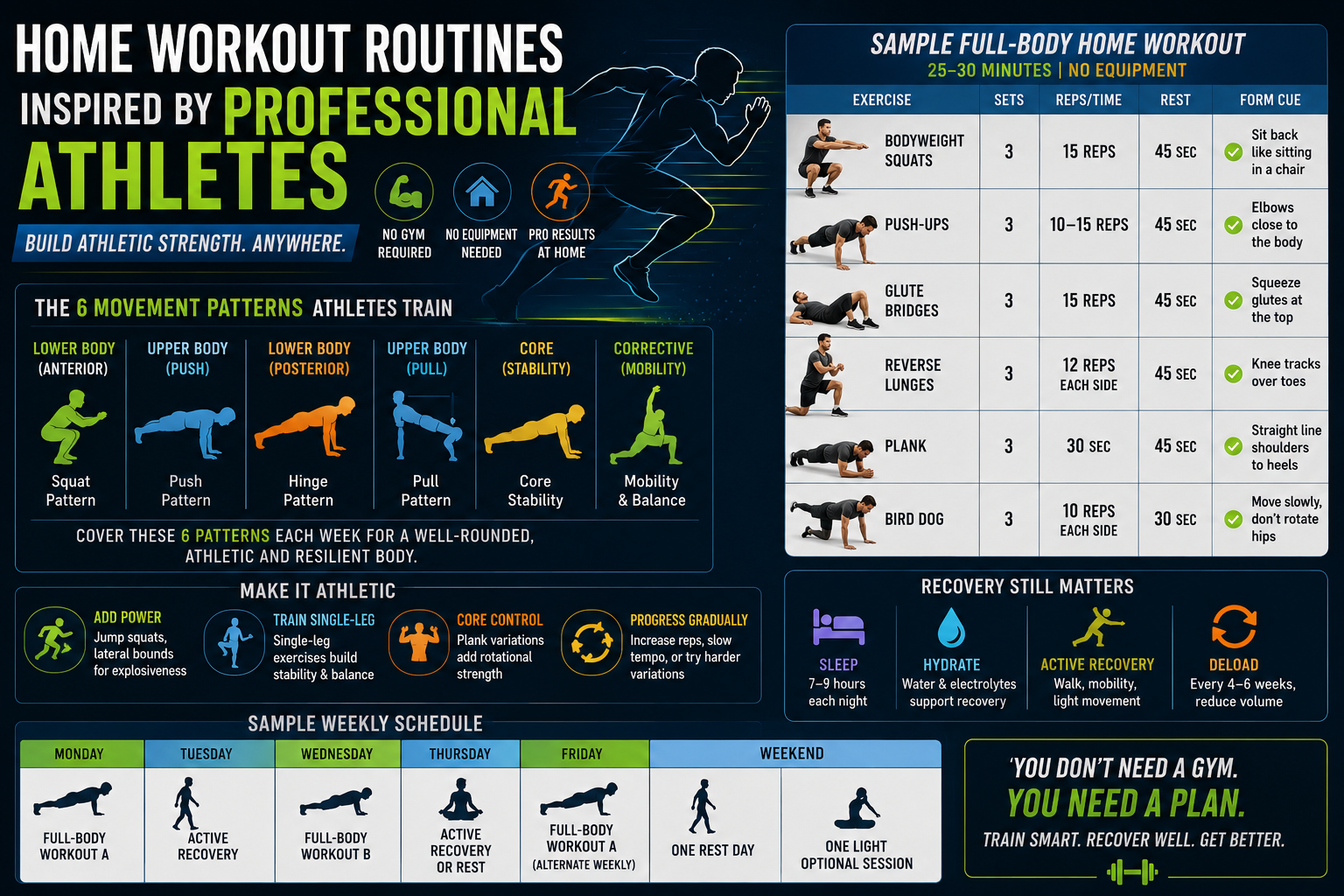
Home Workout Routines Inspired by Professional Athletes
Professional athletes train with purpose. Every sprint, jump, lift, and recovery session helps them perform better on the field or court. You can bring the same…
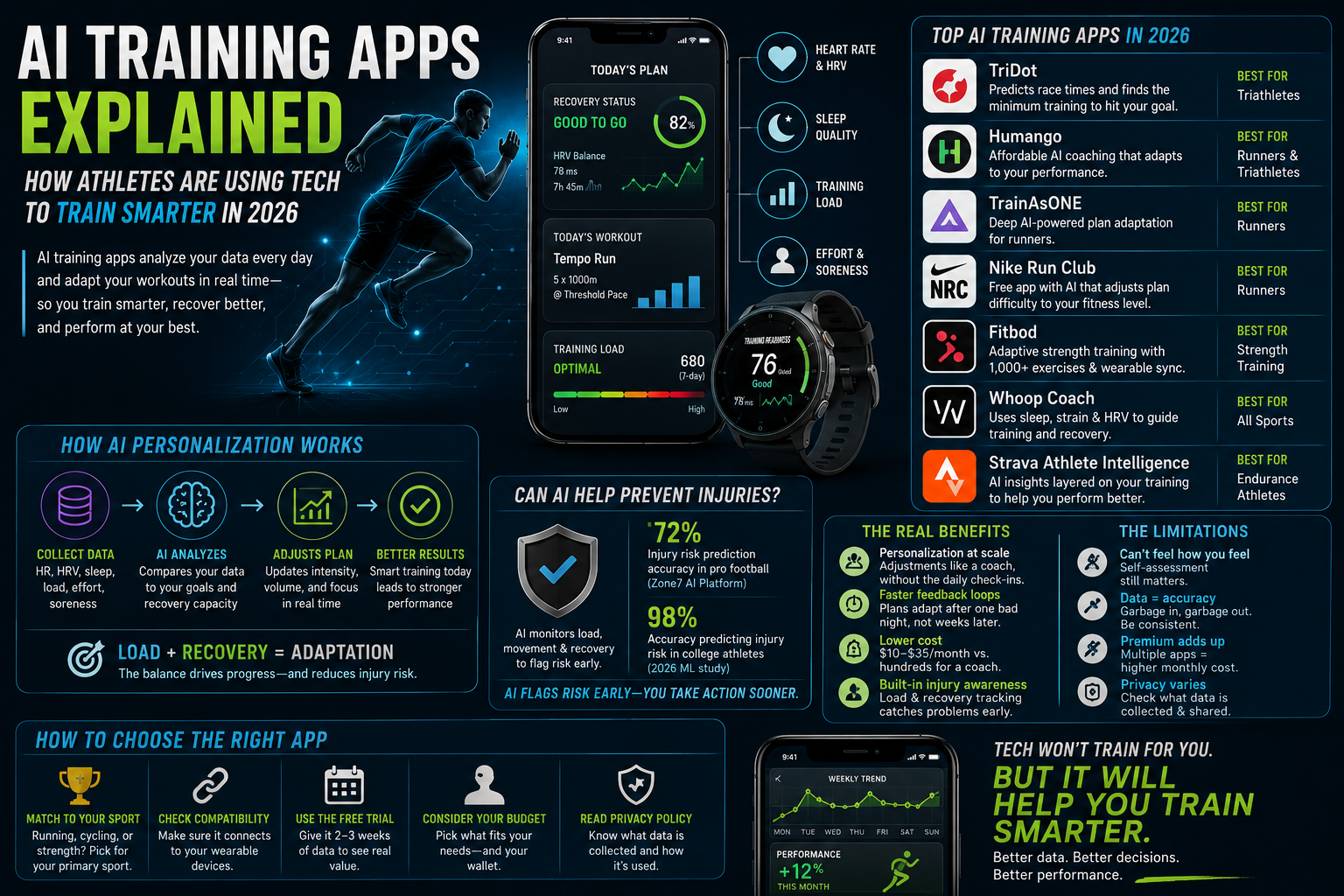
AI Training Apps Explained: How Athletes Are Using Tech to Train Smarter
Athletes used to train off a printed plan and a stopwatch. That plan didn’t know if you slept badly, missed a session, or showed up already…