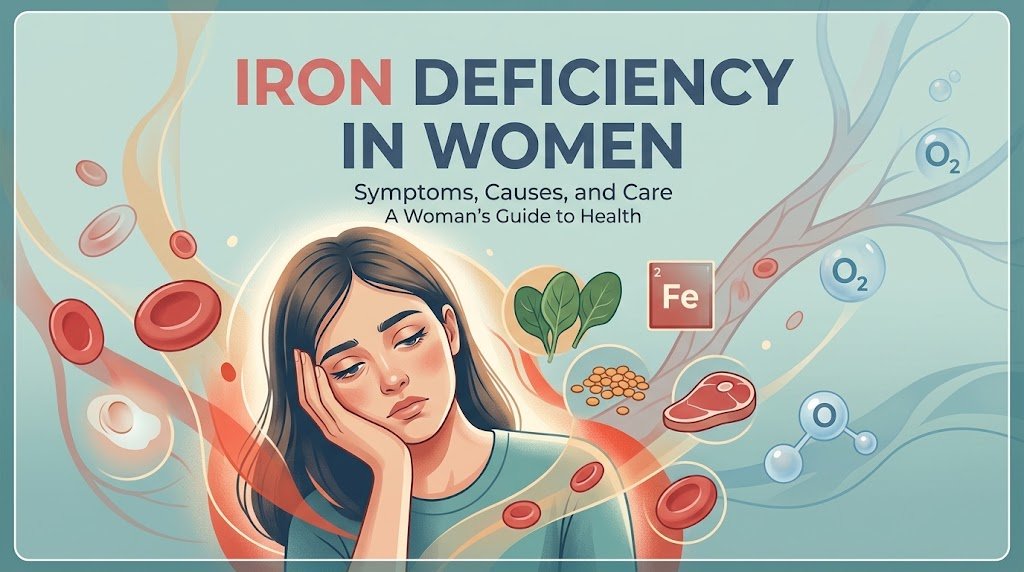
Do you feel tired all the time? Do you get dizzy or short of breath easily? You might have low iron. Iron deficiency is very common in women. In fact, it is the most common nutrient problem in the world. This guide will explain why. We will cover the causes. We will list the symptoms.
Do you feel tired all the time? Do you get dizzy or short of breath easily? You might have low iron. Iron deficiency is very common in women. In fact, it is the most common nutrient problem in the world.
This guide will explain why. We will cover the causes. We will list the symptoms. We will also share simple tips to raise your iron levels the right way.
What Is Iron Deficiency?
Your body needs iron to make haemoglobin. Haemoglobin is a part of your red blood cells. It carries oxygen to every part of your body.
When you don’t have enough iron, your body can’t make enough haemoglobin. This is called iron deficiency. If it gets worse, it becomes iron deficiency anaemia. This means your blood does not have enough healthy red blood cells.
Without enough oxygen moving through your body, you feel tired. You may also feel weak or short of breath.
Why Women Are More at Risk
Iron deficiency affects more women than men. There is a simple reason for this. Women lose blood every month during their period. Blood contains iron. So every period is a small loss of iron.
Some women lose more iron than others. This depends on how heavy their periods are. Pregnancy also raises the need for iron. Your body needs extra iron to support a growing baby.
Common Symptoms of Iron Deficiency
Iron deficiency often starts slowly. At first, you may not notice anything. As it gets worse, symptoms become clearer. Common signs include:
- Feeling very tired, even after rest
- Weakness
- Pale skin
- Shortness of breath
- Dizziness or lightheadedness
- Cold hands and feet
- Fast or irregular heartbeat
- Headaches
- Brittle nails
- A sore or swollen tongue
- Strange cravings, like wanting to chew ice or dirt
If you notice several of these signs, it’s a good idea to get checked.
What Causes Iron Deficiency in Women?
1. Heavy Periods
This is one of the biggest causes. Heavy or long periods mean more blood loss. More blood loss means more iron loss. Over time, this can drain your iron stores faster than food can refill them.
2. Pregnancy
Your body needs much more iron during pregnancy. This iron helps your baby grow. It also supports the extra blood your body makes. Many pregnant women need iron supplements for this reason.
3. Not Eating Enough Iron
Iron comes from food. Red meat, poultry, and fish have iron that is easy for your body to absorb. Plant foods have iron too, but it is harder to absorb. Women who eat little meat, or who follow a vegetarian or vegan diet, may need to plan their meals more carefully to get enough iron.
4. Poor Iron Absorption
Some health conditions make it hard for your gut to absorb iron. Celiac disease is one example. Other digestive conditions can also block iron absorption, even if you eat enough iron-rich food.
5. Internal Bleeding
Sometimes blood loss happens inside the body, not just during a period. This can come from stomach ulcers, polyps, or other digestive issues. This type of blood loss can also lower your iron levels over time.
6. Frequent Blood Donation
Giving blood often, without enough time to recover in between, can lower your iron stores. This is easy to overlook, since donating blood is safe for most people when spaced out properly.
7. Intense Exercise
Long-term, high-intensity exercise can raise your risk of low iron. This is more common in runners and other endurance athletes. Repeated impact, like running, may also break down red blood cells slightly faster than normal.
8. Frequent Use of Pain Relievers
Regular, long-term use of aspirin or other over-the-counter pain relievers can sometimes cause small amounts of blood loss in the stomach. Over time, this can add up and affect iron levels.
Who Is Most at Risk?
Some women have a higher risk of iron deficiency. This includes:
- Women with heavy periods
- Pregnant women
- Women who follow a vegetarian or vegan diet
- Endurance athletes
- Women who have recently given blood
- Women with digestive conditions that affect nutrient absorption
If you fall into one of these groups, it’s worth paying closer attention to your iron levels.
Why You Shouldn’t Ignore It
Mild iron deficiency can feel manageable at first. But if it’s left untreated, it can get worse. Severe iron deficiency anaemia can cause serious fatigue. It can also strain your heart, since your heart has to work harder to move oxygen through your body. In some cases, it can lead to chest pain or a rapid heartbeat.
The good news is that iron deficiency is very treatable once it’s found. The key is not to guess. Getting the right diagnosis is important because low iron can sometimes point to another health issue that also needs care.
How Is Iron Deficiency Diagnosed?
A simple blood test can check your iron levels. This test often includes:
- Hemoglobin level, to check for anemia
- Ferritin level, which shows how much iron is stored in your body
- Sometimes, additional tests to look for the cause of the iron loss
Your doctor may also ask about your period, your diet, and your medical history. This helps them figure out why your iron is low, not just that it’s low.
How Is Iron Deficiency Treated?
Treatment depends on how severe it is and what’s causing it. Common options include:
- Iron supplements: These are often the first step. They help rebuild your iron stores over time.
- Dietary changes: Eating more iron-rich foods can help support your levels.
- Treating the root cause: If heavy periods are the cause, your doctor may suggest treatment to reduce blood loss. If a digestive issue is the cause, that needs its own treatment plan.
- Iron infusions: In more severe cases, iron may be given through an IV instead of pills.
It’s important to talk to a doctor before starting iron supplements on your own. Too much iron can build up in the body and cause harm over time.
Iron-Rich Foods to Add to Your Diet
Along with any treatment your doctor suggests, these foods can help support healthy iron levels:
- Red meat, poultry, and fish
- Beans and lentils
- Tofu
- Spinach and other leafy greens
- Fortified cereals and breads
- Nuts and seeds
- Dried fruits, like raisins and apricots
Pairing iron-rich foods with vitamin C, like citrus fruits or bell peppers, can help your body absorb iron better.
Iron Deficiency vs. Iron Deficiency Anaemia
These two terms are related, but they are not the same. Iron deficiency means your iron stores are low. At this stage, you may have no symptoms at all, or only mild ones. Iron deficiency anaemia is a later stage. This happens when iron levels drop so low that your body can’t make enough healthy red blood cells.
Think of it like a savings account. Iron deficiency is like your savings running low. Anaemia is like your account finally hitting zero. Catching the problem early, while it’s still just a deficiency, is much easier to treat than waiting until it becomes full anaemia.
Simple Ways to Help Prevent Iron Deficiency
You can’t always prevent iron deficiency completely, especially if heavy periods or pregnancy are the cause. But a few habits can help:
- Eat iron-rich foods regularly, not just occasionally
- Pair iron-rich meals with vitamin C to help absorption
- Space out coffee or tea around meals, since they can block iron absorption
- Track your periods, so you notice if they become heavier over time
- Get routine blood work if you’re in a higher-risk group, like pregnancy or endurance training
When to See a Doctor
You should see a doctor if you notice:
- Ongoing tiredness that doesn’t improve with rest
- Frequent dizziness or shortness of breath
- Pale skin, brittle nails, or cold hands and feet
- Heavy periods along with fatigue
- Chest pain or a fast heartbeat
- Any symptoms that worry you or don’t go away
Don’t try to diagnose or treat iron deficiency completely on your own. A simple blood test can confirm what’s going on. This gives you and your doctor a clear plan going forward.
Frequently Asked Questions
1. Why do women need more iron than men?
Women lose iron every month through their period. This ongoing blood loss is the main reason women have a higher risk of low iron.
2. Can I just take iron pills without seeing a doctor?
It’s best to check with a doctor first. Iron supplements can help, but too much iron can be harmful. A blood test can confirm if you actually need them.
3. What foods have the most iron?
Red meat, poultry, and fish have iron that your body absorbs easily. Beans, lentils, tofu, and leafy greens are good plant-based sources too.
4. Can heavy periods alone cause iron deficiency?
Yes. Heavy or prolonged periods are one of the most common causes of iron deficiency in women.
5. How long does it take to fix iron deficiency?
It can take a few months of treatment to rebuild your iron stores, depending on how low they are and how well your body responds to treatment.
Conclusion
Iron deficiency is common in women, but it’s not something you have to just live with. Knowing the symptoms and causes can help you catch it early. If you notice ongoing fatigue, dizziness, or other warning signs, don’t ignore them. A simple blood test can point you toward the right treatment and help you feel like yourself again.
This article is for informational purposes only. It is not a substitute for professional medical advice. If you think you may have iron deficiency, please talk to a licensed healthcare provider.















Leave a Comment
Your email address will not be published. Required fields are marked with *